01
A plugin, not a patch
Rather than bolt a generic form onto the page, I built a custom WordPress plugin that speaks directly to the booking API. One source of truth for availability and requests, owned by the site instead of a third-party embed.
FURTHER SPACE
The custom WordPress plugin and Stencil.js widgets that turn a brochure site into a live booking system.
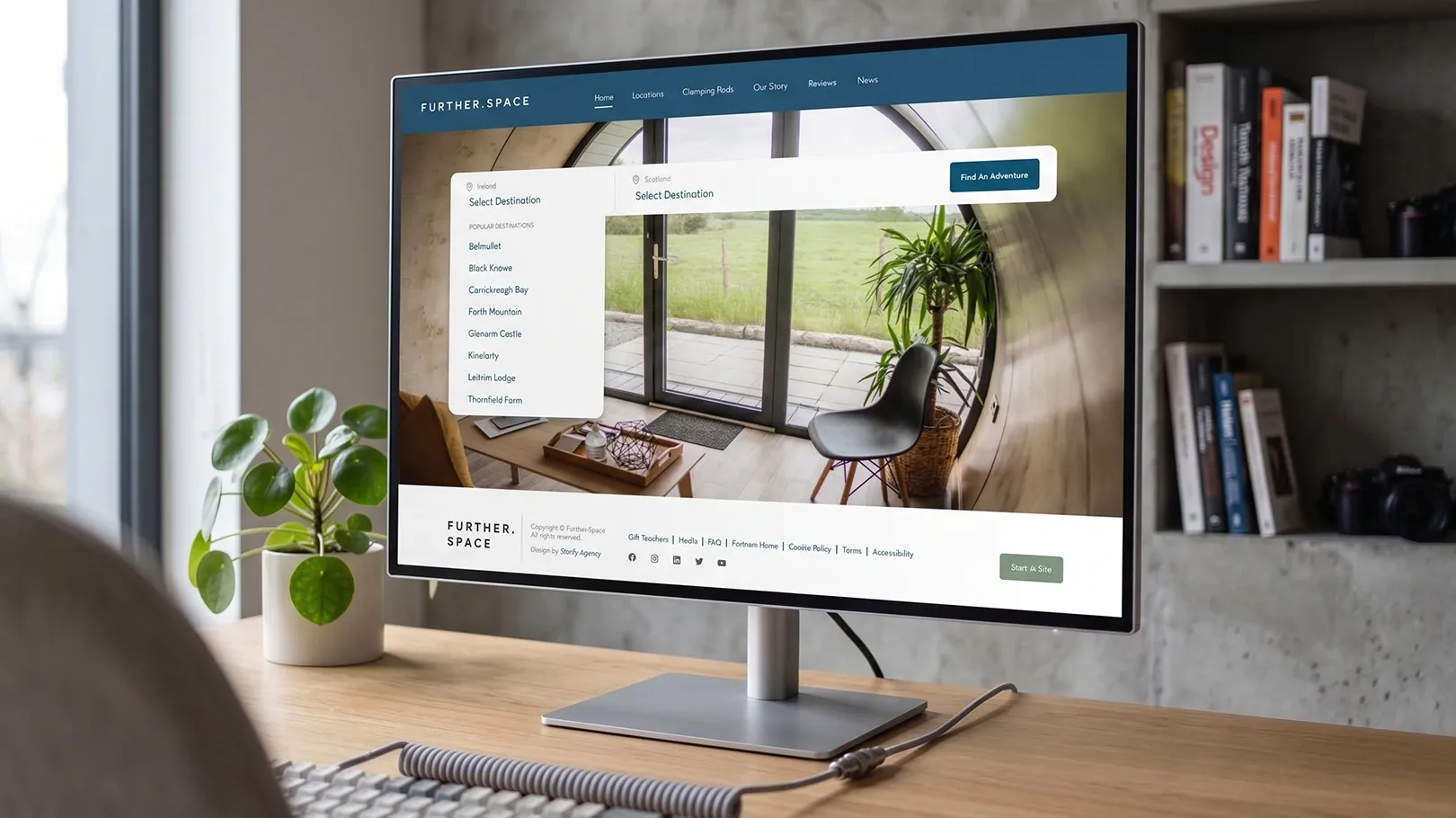
Further Space designs and builds its own glamping pods in County Down, then places them on remote estates and coastal cliffs across Ireland and Scotland. Storify Agency rebuilt the brand's story; Odd Pixel built the machinery underneath it — a custom WordPress plugin that talks directly to a third-party booking API, and a set of Stencil.js web components that drop live booking interactions into any page with a shortcode.
A booking flow that had to feel native
without owning the reservations.
Storify had reframed the whole site around one idea: Further Space engineers and manufactures its pods in-house, and the build quality is the reason the experience is worth a premium. The site needed to carry that craftsmanship straight through to a confirmed booking — not hand the guest off to a generic external portal at the exact moment they'd decided to commit.
The reservations themselves lived in a third-party system. My job was the connective tissue: make availability and booking requests flow between WordPress and that API in real time, and surface them as interactions the Storify team could place anywhere in their Elementor layouts — no developer required for every new pod or location.
Four engineering moves
behind the booking flow.
Rather than bolt a generic form onto the page, I built a custom WordPress plugin that speaks directly to the booking API. One source of truth for availability and requests, owned by the site instead of a third-party embed.
Booking interactions are Stencil.js components — they compile to framework-agnostic custom elements that hydrate themselves wherever they land. Self-contained, styleable, and reusable across every template on the site.
The Storify team works in Elementor, not code. Each widget exposes a WordPress shortcode, so a booking module can be dropped into any page, section, or property layout — and it wires itself to the plugin automatically.
Requests post to the reservation API from the page the guest is already on. No bounce to an external portal mid-decision, so the considered, crafted feeling the design works so hard to build survives all the way to checkout.
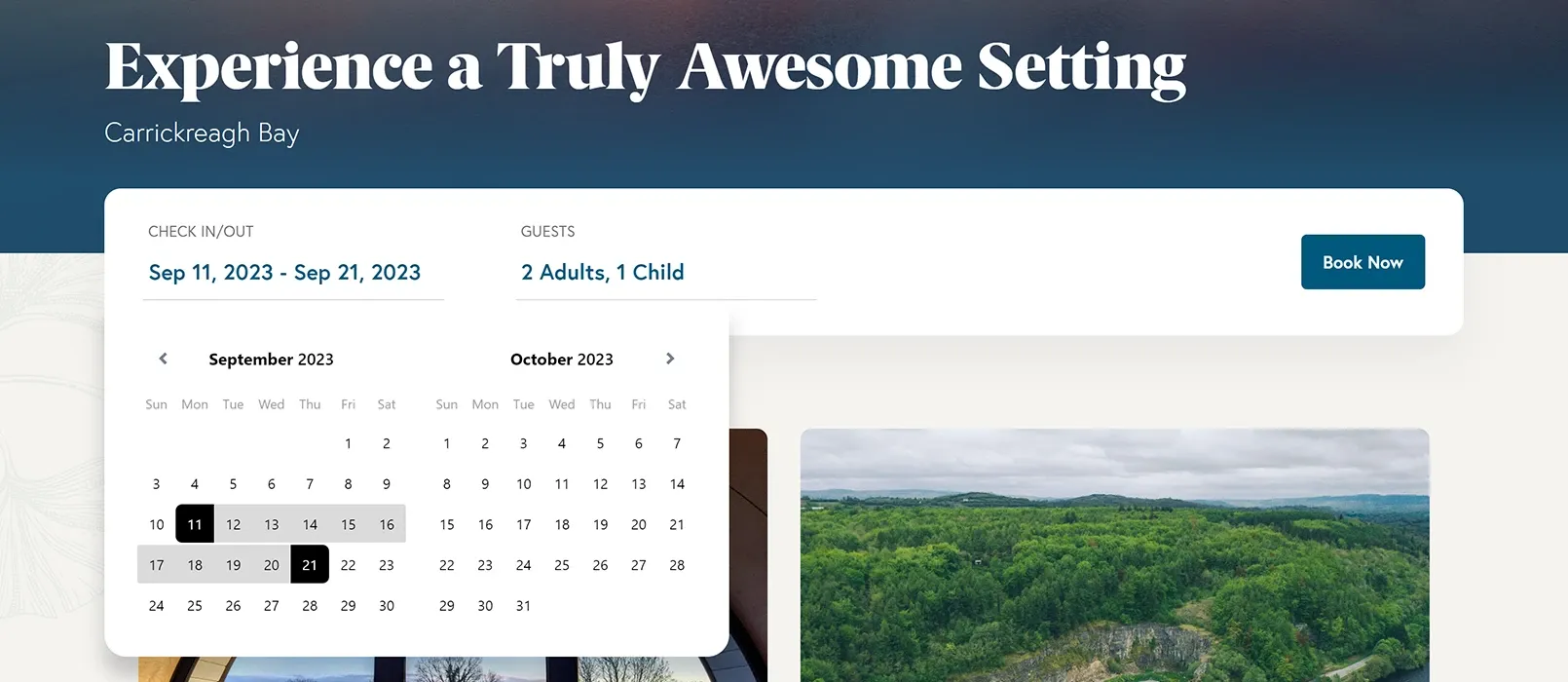 FIG. A — Custom Widget
 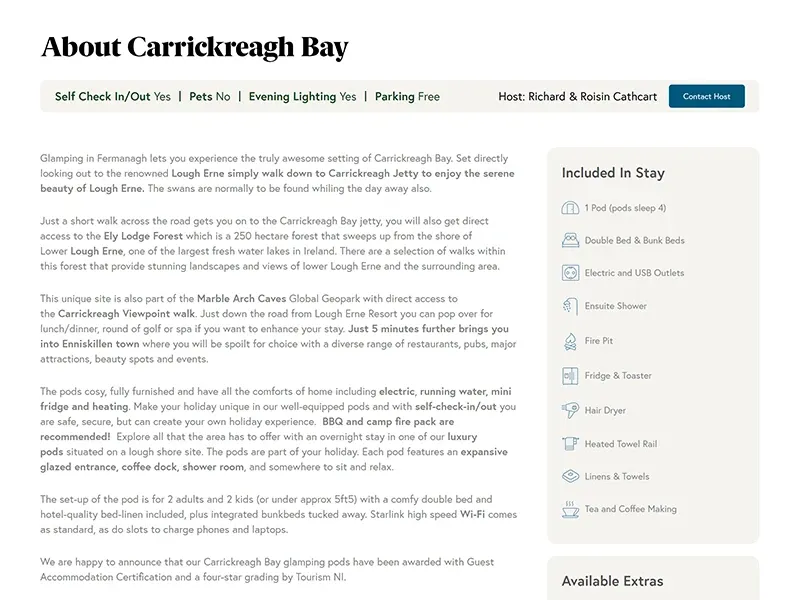 FIG. B — Listing Page
 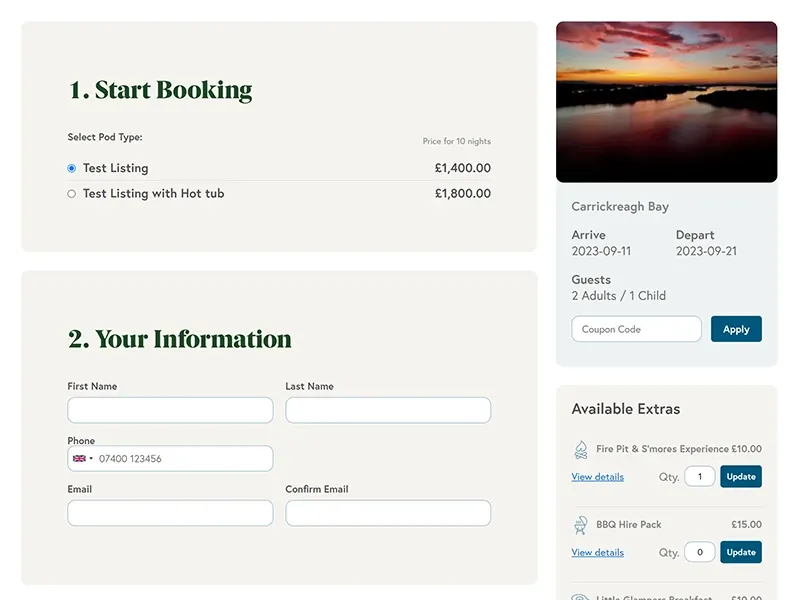 FIG. C — Checkout
 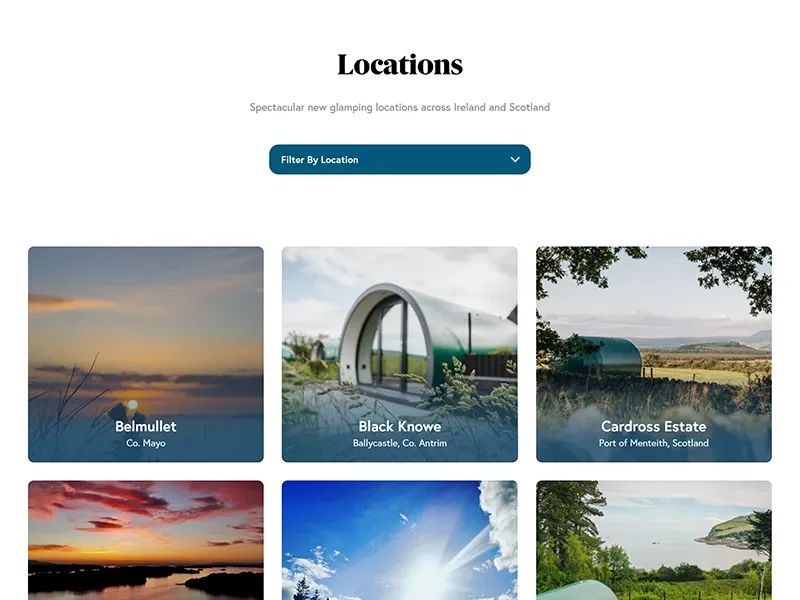 FIG. D — Listings
 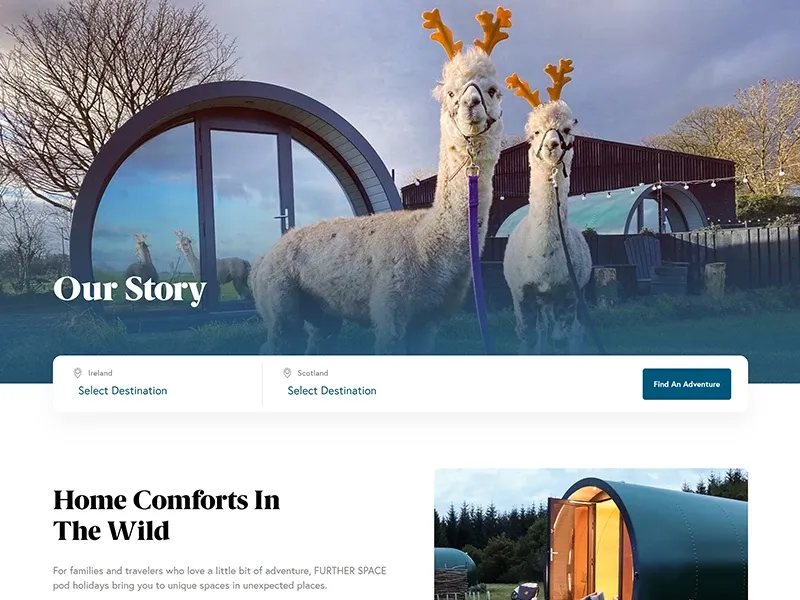 FIG. E — Llamas
 Six parts,
one booking system.
A single custom plugin owns the booking logic — endpoints, request handling, and the bridge to the third-party reservation API, all in one maintainable package.
Availability and booking requests move between the site and the reservation system in real time, so what a guest sees on the page reflects what's actually bookable.
Booking interactions compiled to framework-agnostic web components — encapsulated, self-hydrating, and reusable across every layout without a build step on the page.
Each widget ships as a WordPress shortcode, so the team can place a booking module anywhere in Elementor without touching the codebase.
A custom theme gives the design system room to breathe while keeping editing in familiar hands — new pods and locations go live without a developer.
Dynamic location and property templates that scale as fast as Further Space manufactures pods and signs new sites across Ireland and Scotland.
What the engineering
made possible.
A website engineered with the same precision as the custom glamping pods Further Space designs and builds in-house.